 I had slightly surreal time last week. I visited the USA to attend a review of a research programme sponsored by the US Government and reported on two of our research projects. When I arrived in the USA on Monday evening, I went to collect my rental car and was told that I had been upgraded to a pick-up truck because the rental company did not have left any of the compact cars that had been booked for me. I gingerly manoeuvred the massive vehicle, a Toyota Tacoma, out of the parking garage and on to the freeway. I should admit to having owned a large SUV when we lived in the USA and so driving along the freeway was not a totally new experience, except that the white bonnet in front of me seemed huge.
The following morning, I drove to the location of the review and strategically selected a parking space with empty spaces all around it so that I could drive through into the space and avoid needing to reverse the behemoth. As I was walking across the parking lot, someone accosted me and said: ‘Nice truck, how do you like it?’ Embarrassed at driving such an environmental-unfriendly vehicle, I responded that it was a rental car that I just picked up. To which he replied that the best protection against my Tacoma, was his Tacoma. And, that it was his dream car. Then, I noticed that he had parked his black one alongside mine.
Our children learnt to drive in our ancient Ford Explorer and loved it. We all knew that it was wrong to drive something that consumed fuel so voraciously even if it did get us effortlessly through the most horrendous winter storms. However, we have left all that behind and now either use public transport or drive cars that achieve 60 mpg or more on good days. But here I was being admitted to a club that worshipped their pick-up trucks.
We walked together into the review which was held in a small lecture theatre equipped with comfortable armchairs, which was just as well because we sat there from 8.30 to 4.30 for two days listening to half-hour presentations with only short breaks. We were presented with some stunning research based on brilliant innovative thinking, such as materials that can undergo 90% deformation and fully recover their shape and how the rippling motion of covert feathers on a bird’s wings could help us design more efficient aeroplanes. More on that in later posts. Of course, there were some less good presentations that had many us reaching for our mobile phones to catch up on the endless flow of email [see: ‘Compelling Presentations‘ on March 21st, 2018). At the end of each day, we dispersed to different hotels scattered across town in our rental cars. On Thursday, I drove back to the airport and topped up the fuel tank before returning my truck. I worked out that it had achieved only 19 mpg (US) or 23 mpg (UK), despite my gentle driving – that’s almost three times the consumption of my own car! On the plane home I started reading ‘Overstory‘ by Richard Powers, a novel about our relationship to trees and the damage we are doing to the environment on which trees, and us, are dependent.
 There is an excellent exhibition of Keith Haring’s work at the Tate Liverpool until November 2019. Keith Haring and I were born a couple of years apart but that’s where the similarity ends. He was an American artist who collaborated with the likes of Andy Warhol and Jean-Michel Basquiat and was influenced by Pablo Picasso, Walt Disney and Dr Seuss. He was part of the New York street culture of the 1980s and many of his early works were forms of graffiti painted in subways and on the sides of buildings. Some people think that art should challenge the way you think about the things; however, “Haring felt that the artist is ‘spokesman for a society at any given point in history’ whose visual vocabulary is determined by their perception of the world”. His work about racism, the excesses of capitalism and the misuse of religion for oppressive purposes seem as relevant today as thirty years ago.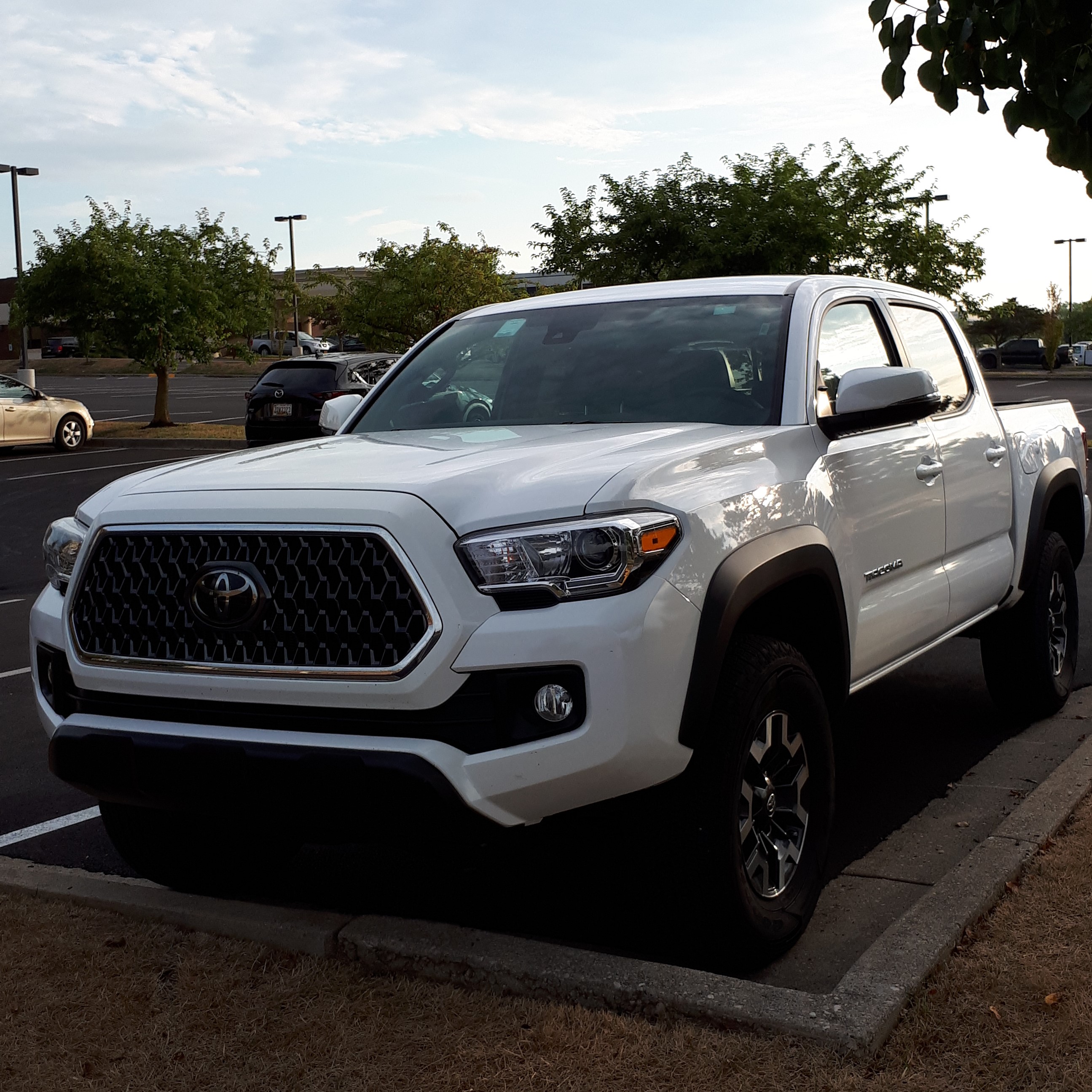


 Realize Engineering