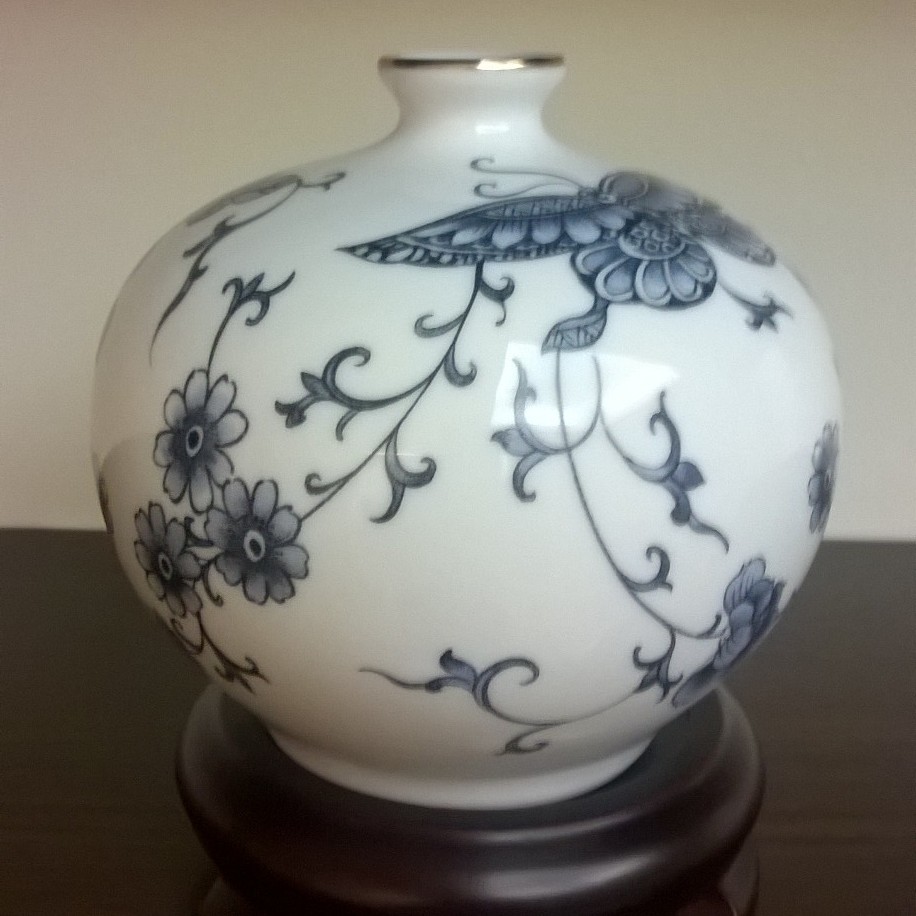
 I have been away from Liverpool a lot in the last few weeks. Teaching in Manchester and London but also visiting Taiwan. In the capital, Taipei they have yellow cabs and a succession of black limos pick up visitors from the airport. I even saw a baseball pro shop but despite the strong American influence, the culture is definitely Chinese so ordering meals and buying train tickets is a challenge if you don’t speak or read Mandarin. I am a Visiting Professor at the National Tsing Hua University and was there to meet with some PhD students and participate in a research workshop on computational modelling [see my post on Can you trust your digital twins?on November 22nd, 2016]. It wasn’t my first trip to Taiwan [see my post entitled ‘Crash in Taipei: an engineer’s travelogue?’ on November 19th, 2014] but I visited a high school for the first time. I spent half a day meeting teachers and pupils at the Taipei European School. I gave a talk based on my post entitled ‘Happenstance, not engineering?’ [see my post on November 9th, 2016] to several groups of science pupils in an attempt to explain what engineers do. The reception was enthusiastic and we had some good question and answer sessions. It was a first for me to do this in any school and the first time in the memory of the teachers that a professional engineer had visited the school. A while ago I wrote about nurturing the spirit through the exchange of gifts in the form of knowledge [see my post entitled ‘Knowledge spheres’ on March 9th, 2016]. My spirits were lifted by talking to the pupils and maybe one or two of them will have been persuaded to think about becoming an engineer. We also exchanged material gifts so that I have a beautiful vase to stand on my shelf and remind me of an enjoyable visit and hopefully prompt me to go again. Lots of young people have no idea what engineers do and are looking for a career that will allow them to contribute to society, so they are surprised and excited when they realise engineering offers that opportunity. So, we should get out more and tell them about it.
Out and about
1 Reply


 Realize Engineering