 Last month I was at the Photomechanics 2018 conference in Toulouse in France. Photomechanics is the science of using photons to measure deformation and displacements in anything, from biological cells to whole engineering structures, such as bridges or powerstations [see for example: ‘Counting photons to measure stress‘ posted on November 18th, 2015]. I am interested in the challenges created by the extremes of scale and environmental conditions; although on this occasion we presented our research on addressing the challenges of industrial applications, in the EU projects INSTRUCTIVE [see ‘Instructive update‘ on October 4th, 2017] and MOTIVATE [see ‘Brave New World‘ posted on January 10th, 2018].
It was a small conference without parallel sessions and the organisers were more imaginative than usual in providing us with opportunities for interaction. At the end of first day of talks, we went on a guided walking tour of old Toulouse. At the end of second day, we went to the Toulouse Aerospace Museum and had the chance to go onboard Concorde.
I stayed an extra day for an organised tour of the Airbus A380 assembly line. Only the engine pylons are made in Toulouse. The rest of the 575-seater plane is manufactured around Europe and arrives in monthly road convoys after travelling by sea to local ports. The cockpit, centre, tail sections of the double-deck fuselage travel separately on specially-made trucks with each 45m long wing section following on its own transporter. It takes about a month to assemble these massive sections. This is engineering on a huge scale performed with laser precision (laser systems are used to align the sections). The engines are also manufactured elsewhere and transported to Toulouse to be hung on the wings. The maximum diameter of the Rolls-Royce Trent 900 engines, being attached to the plane we saw, is approximately same as the fuselage diameter of an A320 airplane.
Once the A380 is assembled and its systems tested, then it is flown to another Airbus factory in Germany to be painted and for the cabin to be fitted out to the customer’s specification. In total, 11 Airbus factories in France, Germany, Spain and the United Kingdom are involved in producing the A380; this does not include the extensive supply chain supporting these factories. As I toured the assembly line and our guide assailed us with facts and figures about the scale of the operation, I was thinking about why the nuclear power industry across Europe could not collaborate on this scale to produce affordable, identical power stations. Airbus originated from a political decision in the 1970s to create a globally-competitive European aerospace industry that led to a collaboration between national manufacturers which evolved into the Airbus company. One vision for fusion energy is a globally dispersed manufacturing venture that would evolve from the consortium that is currently building the ITER experiment and planning the DEMO plant. However, there does not appear to be any hint that the nuclear fission industry is likely to follow the example of the European aerospace industry to create a globally-competitive industry producing massive pieces of engineering within a strictly regulated environment.
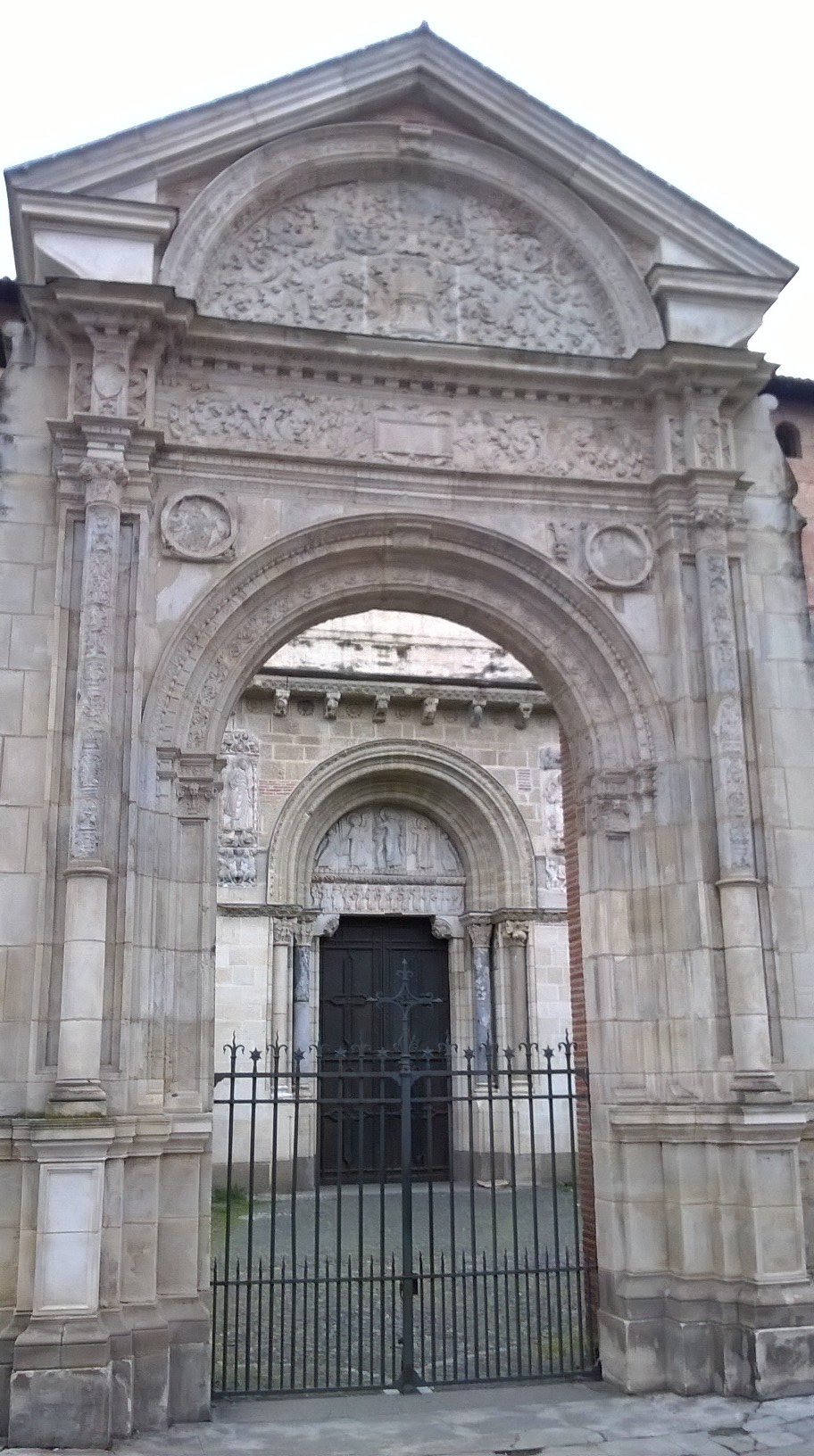
There was no photography allowed at Airbus so today’s photograph is of Basilique Notre-Dame de la Daurade in Toulouse.


 Realize Engineering