 Engineers do not have a great reputation for being charismatic leaders or communicators. In both print and speech we have a tendency towards being precise and concise, which often also means boring. However communicating is probably the most important part of the job for many engineers and for this charisma is important. The German historian and sociologist, Max Weber observed that people voluntarily comply with three types of authority: traditional, rational-legal and charismatic. Traditional authority is the type vested in age-old rules and conventions; so not much chance of engineers possessing much of this type of authority. Rational-legal authority derives from the bureaucratic or administrative system, the ‘laws’ enacted by it and their implementation by those appointed within the system; so again not much hope for engineers except within some engineering organisations. Charismatic authority is possessed by individuals who appear to be extraordinary or have ‘at least specifically exceptional powers or qualities’. I think engineers have a decent chance of this last type of authority. As a profession, we have pretty extraordinary powers. Just look at our ability to provide round-the-clock water, food, energy, shelter and transportation in densely populated cities. Never mind adapting systems to cope with natural disasters or designing vehicles to land on Mars. So as individuals we need to develop exceptional qualities of integrity and communication, if we want society, or even just the CEO, to listen to and accept our advice.
Many engineers will shy away from the line that I have expressed above, preferring to hide in the test lab or behind their computer screen. This is in part because engineers are trained as problem-solvers and solving problems often requires a degree of solitude and silence that is not compatible with high profile communication. This conflict is shared by many scientists, who are often judged by their publication profile rather than their scientific achievements in part because it is easier to count publications that to assess the significance of achievements. Some of us enjoy the solitude of writing blogs, lectures and papers. I find the process deepens my understanding and goes a long way to resolving the conflict between communicating and problem-solving. However, it can be difficult in a modern professional life to create the necessary calm for problem-solving creativity.
Marily Oppezzo and Dan Schwartz at Stanford University have shown that taking a walk can stimulate creativity. So perhaps monks knew this when they built magnificent cloisters adjacent to many great cathedrals and monasteries in Europe. However, you don’t need a beautiful set of cloisters, the Stanford researchers found that creativity increased by the same amount whether their subjects strolled in Stanford’s lovely leafy campus or walked on a treadmill opposite a blank wall. So next time you feeling challenged by the preparation of a charismatic talk or you are stuck solving a problem, take stroll. The Stanford team found that eight minutes was enough to produce an appreciable improvement in creativity.
And oh, yes. Don’t forget to leave behind all your electronic devices when you walk. Their silence is crucial. See my post entitled ‘Silence is golden’ on January 14th, 2014.
Sources:
Robert P Crease, ‘Critical Point: Why don’t they listen?’ Physics World, May 2014
Max Weber, ‘Economy and Society’, 1922
Gretchen Reynolds, ‘Take a walk to stimulate creativity’, INYT, May 7th, 2014
Oppezzo, M., J. Schwartz, D., Give your ideas some legs: the positive effect of walking on creative thinking, Experimental Psychology: Learning, Memory & Cognition, April 2014.
Felicity Mellor, Shhhh? Scientists need to talk about not talking, The Guardian Newspaper blog January 15th, 2014 also The power of silence, Physics World, April 2014
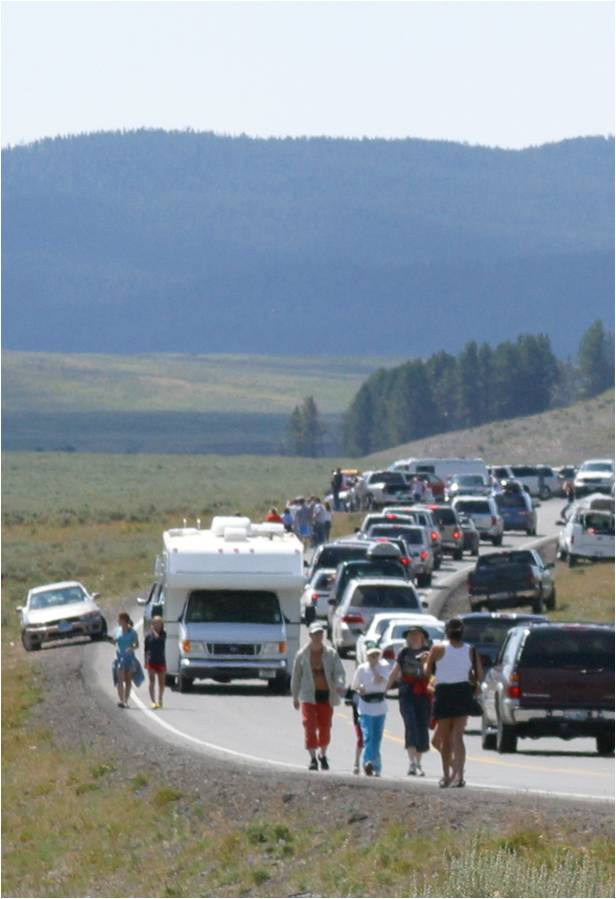
 Engineers need to be experts in resolving conflicts…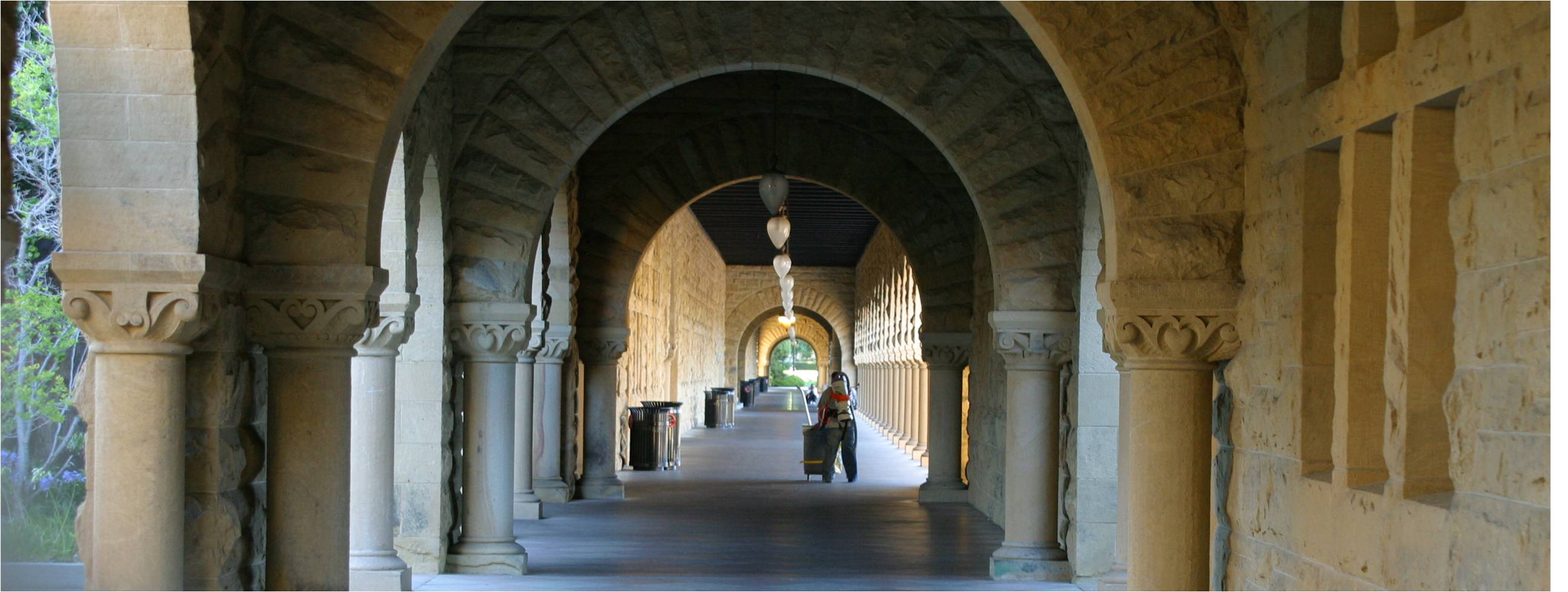
 Realize Engineering