 Farm tractors have been growing bigger and bigger, though perhaps not everywhere – the photograph was taken in Donegal, Ireland earlier this year. The size of tractors is driven by the economics of needing a driver in the cab. The labour costs are high in many places, so that the productivity per tractor driver has to be high too. Hence, the tractors have to move fast and process a large amount of the field on each pass. This leads to enormous tractors that weigh a lot and exert a large pressure on the soil, which in turn results in between 1 and 3% of the farm land becoming unproductive because crops won’t grow in the severely compressed soil. But what happens if we eliminate the need for the driver by using autonomous vehicles? Then, we can have smaller vehicles working 24/7 that do less damage and are cheaper, which means that a single machine breakdown doesn’t bring work to halt. We can also contemplate tailoring the farming of each field to the local environmental and soil conditions instead a mono-crop one-size fits all approach. These are not my ideas but were espoused by Peter Cooke of the Queensland University of Technology at a recent meeting at the Royal Society on ‘Robotics and Autonomous Systems’.
It is a similar argument for modular nuclear power stations. Most of the world is intent on building enormous reactors capable of generating several GigaWatts of power (that’s typically 3 with nine zeros after it) at a cost of around £8 billion (that’s 8 with nine zeros) so about 50 pence per Watt. Such a massive amount of power requires a massive infrastructure to deliver the power to where it is need and a shutdown for maintenance or a breakdown potentially cuts power to about a million people. The alternative is small modular reactors built, and later dismantled, in a factory that leave an uncontaminated site at a lower capital cost and which provide a more flexible power feed into the national grid. Some commentators (see for example Editor’s comment in Professsional Engineer, November 2015)believe that a factory could be established and rolling modular reactors off its production line on the same timescale as building a GigaWatt station.
Regular readers will recognise a familiar theme found in Small is beautiful and affordable in nuclear powerstations on January 14th, 2015, Enabling or disruptive technology for nuclear engineering on January 28th, 2015 and Small is beautiful on October 10th, 2012; as well as the agricultural theme in Knowledge-economy on January 1st, 2014.
 For many of us the pace of life will have accelerated to a fever pitch as the holiday season approached and we tried to complete time-sensitive tasks while being deluged with emails, messages, images, reports and demands for a slice of our time. Fredrik Sjoberg in his delightful book, ‘The Fly Trap‘ suggests that ‘if you think the torrent goes too fast, then in nine out of ten cases you can turn it off or just close your eyes and breathe your own air for a while.’ Nile crocodiles have a life expectancy of 100 years which some have attributed to their ability to slow their metabolism. ‘Unfussed, they can reduce their heart rate to about three beats a minute’ according to Peter Hughes. So in this holiday season: switch off, close your eyes, go mind-wandering (see my post entitled ‘Mind wandering‘ on September 3rd, 2014) and you are likely to live longer and have time for everything.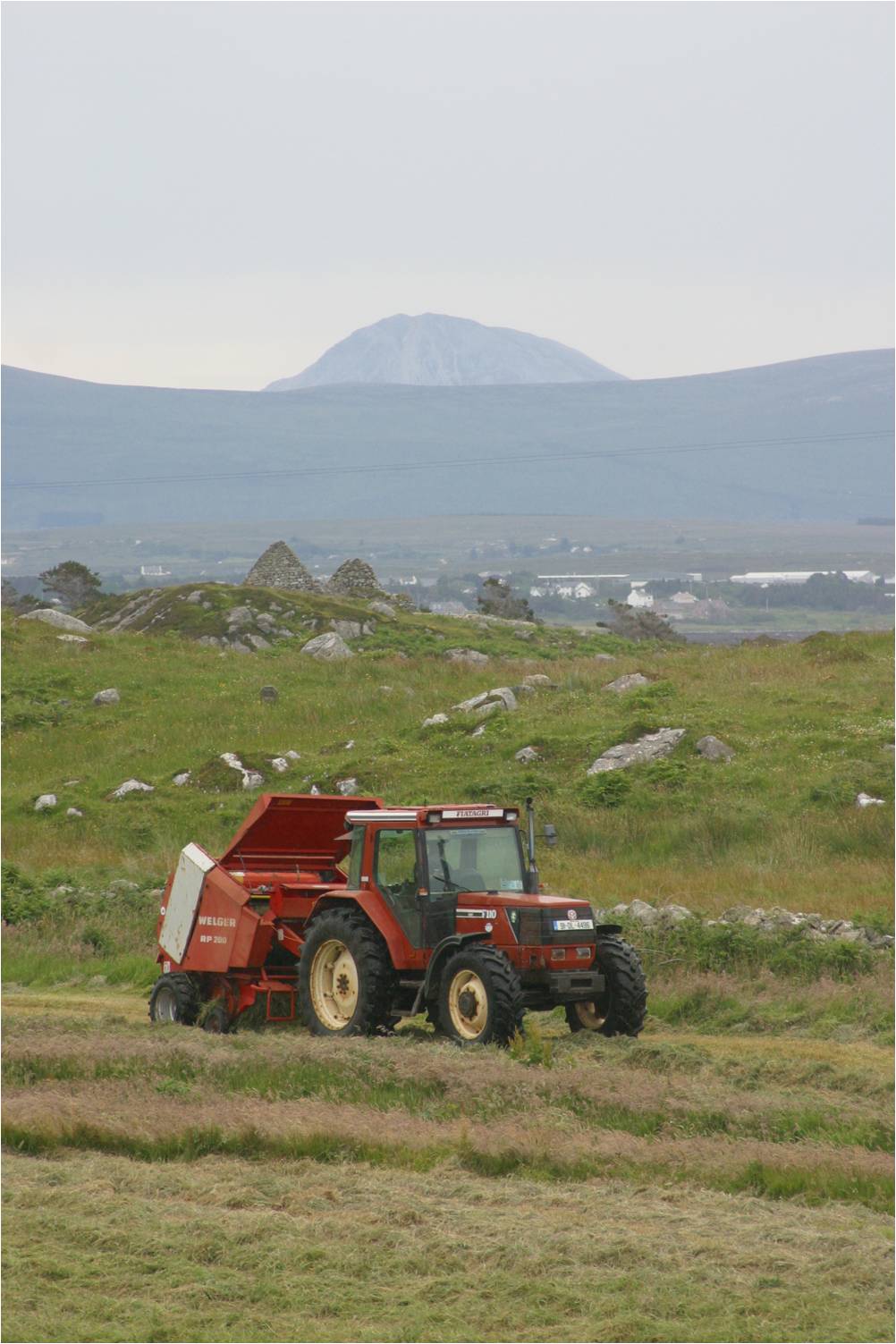


 Realize Engineering