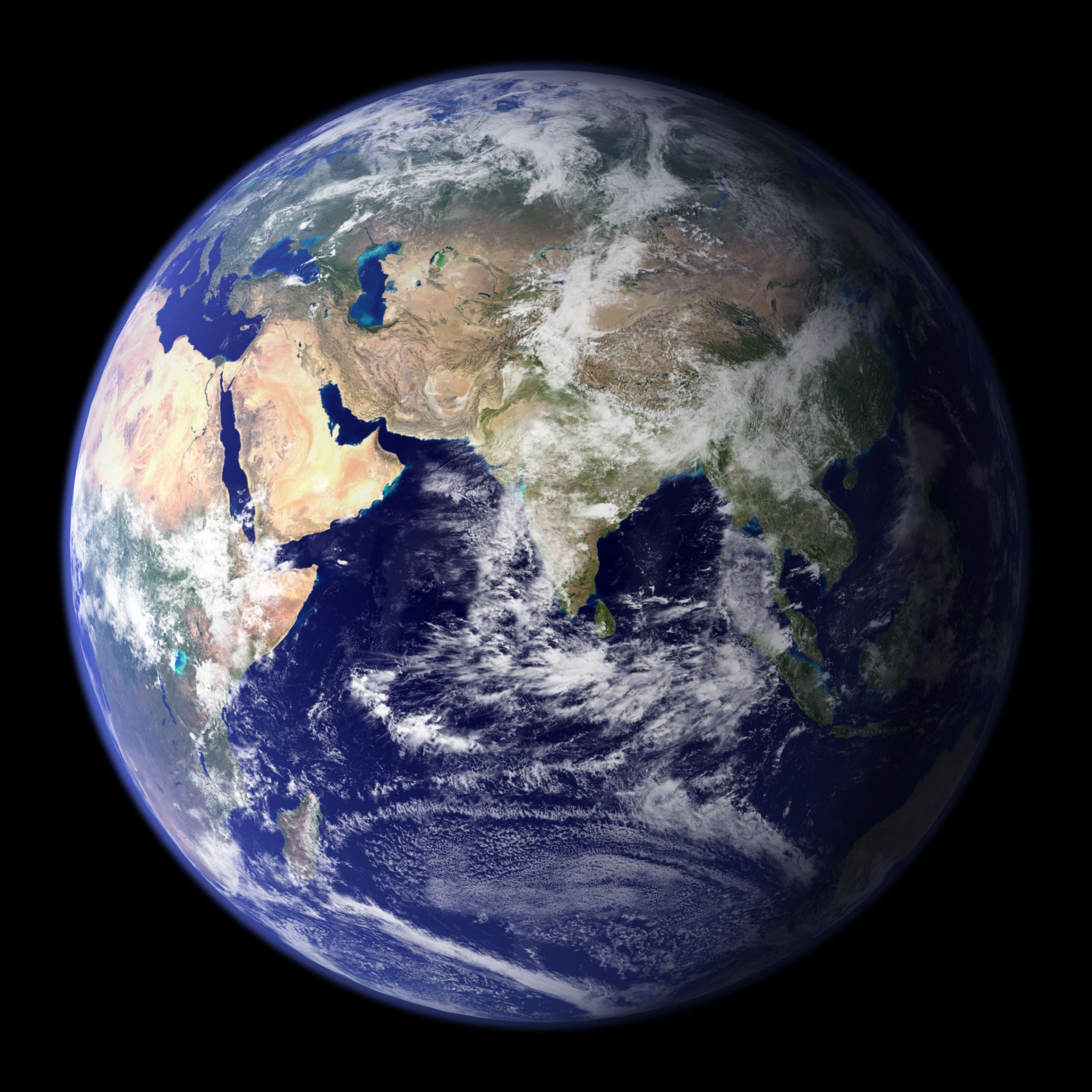
 A little while ago, when looking for something to read when visiting someone’s house, I picked up ‘The Complete Short Stories: volume 2’ of JG Ballard and started reading from the last story in the collection, ‘Report from an Obscure Planet’. I was surprised to discover its similarity to a fictional piece I posted on this blog last year, see ‘Where has the blue planet gone?’ on July 3rd 2024. Then I was shocked to realize that some readers of my blog might have thought I had plagiarised Ballard’s short story, whereas I was completely unaware of it when I wrote the post. In Ballard’s story, a rescue mission has just landed on a remote planet from which frantic emergency signals had been received; however, their aerial reconnaissance of hundreds of cities spread across the planet found no inhabitants. They accidentally activate the planet’s extensive, and apparently undamaged, computer networks when broadcasting a signal of greeting and friendship. The networks react with ‘a sudden show of alarm, as if well used to mistrusting these declarations of good intent’. The visitors’ research reveals that war was the most popular sport of the inhabitants, with nations maintaining huge arsenals. They conclude that the computer networks sent out the emergency signals in an attempt to save themselves from a danger that was about to overwhelm their planet. In my version, the rescue mission finds a planet transformed by a climate change and mass extinct induced by an asteroid strike or the activities of the inhabitants. Ballard wrote his story in 1992, so more than thirty years before me, and perhaps twenty years after the first data centre had been built by IBM. The first convincing evidence of the warming effect of carbon dioxide was found in the 1960s and scientists started ringing the alarm bells in the late 1980s and early 1990s, for instance at the 1988 Toronto Conference on the Changing Atmosphere – so perhaps too early to feature in Ballard’s story. Of course, I could also have written about artificial intelligence being the only sign of life found on the planet but that really would have looked like wholesale plagiarism!
Reference:
JG Ballard, ‘The Complete Short Stories: volume 2’, Harper Perennial, London, 2006.
 Realize Engineering