 I am comfortable with the lack of certainty about us not being in a simulation [see ‘Are we in a simulation?‘ on September 28, 2022]. However, I know that some of you would prefer not to consider this possibility. Unfortunately, recently published research has likely increased the probability that we are in a simulation because the researchers set up a simulation of a community of human-like agents called Smallville [Park et al, 2023]. The generative agents fuse large language models used in artificial intelligence with computational, interactive agents who eat, sleep, work and play just like humans and coalesce into social groups. The simulation was created as a research tool for studying human interactions and emergent social behaviour which completely concurs with the argument for us already being part of a simulation created to study social behaviour. Smallville only had 25 virtual inhabitants but the speed of advances in artificial intelligence and computational tools perhaps implies that a simulation of billions of agents (people) is not as far in the future as we once thought thus making it more credible that we are in a simulation. The emergent social behaviour observed in Smallville suggests that our society is essentially a self-organising complex system that cannot be micro-managed from the centre.
Sources:
Oliver Roeder, Keeping up with the ChatGPT neighbours, FT Weekend, August 26/27 2023.
Camilla Cavendish, Charities could lead new age of community spirit, FT Weekend, August 26/27 2023.
Park JS, O’Brien JC, Cai CJ, Morris MR, Liang P, Bernstein MS. Generative agents: Interactive simulacra of human behavior. arXiv preprint arXiv:2304.03442. 2023.
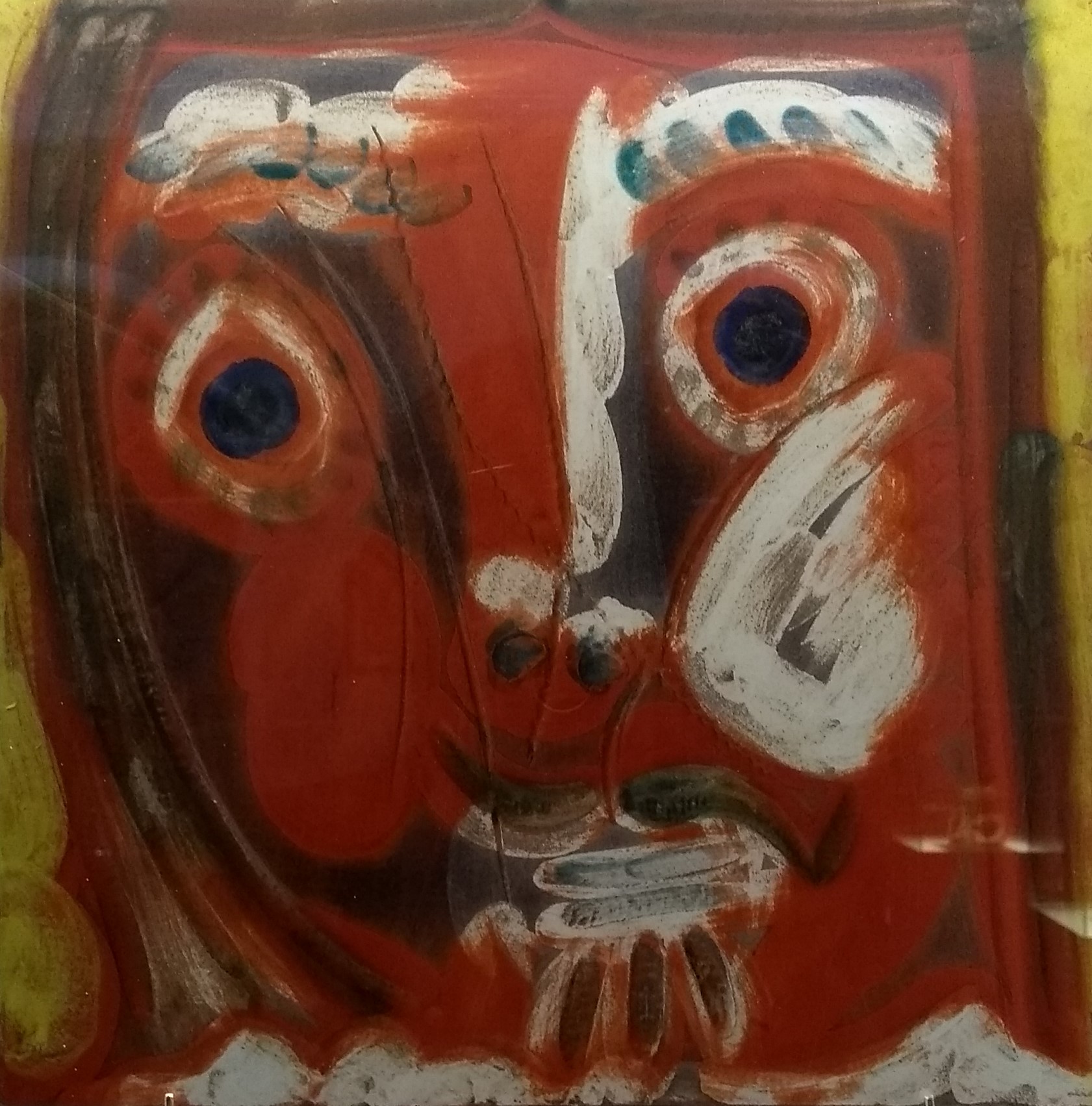
Image: Ceramic tile by Pablo Picasso in museum in Port de Sóller Railway Station, Mallorca.

 Realize Engineering