 In Surrealism, which emerged after World War 1, artists attempted to allow the subconscious mind to express itself and resulted in illogical montages or dreamlike scenes and ideas. Some surrealists championed the subconscious because they thought it would release society from the oppressive rationality of capitalism. Anna Wiele Kjaer of the University of Copenhagen has suggested that instead our subconscious has been colonised by capitalism and is being shaped the endless of streams of disconnected images flowing from our phones, which are as incongruous as any surrealist montage. To decolonise our subconscious and to replenish our creativity many of us need a digital detox involving time away from our electronic devices [see ‘Digital detox with deep vacation’ on August 10th, 2016] allowing our brains to switch into mind wandering mode for long uninterrupted periods [see ‘Mind wandering’ on September 3rd, 2014]. Cormac McCarthy has described how ideas struggle against their own realisation and come with their own innate scepticism that acts like a steering mechanism for their emergence from our subconscious. He also suggests that all ideas come to an end when they lose lustre becoming a tool, perhaps as a theory, strategy or plan, and you can no longer entertain the illusion that they hold some deep insight into reality. Many of my thoughts never coalesce into an emergent idea but remain as illogical and disconnected as a surrealist montage and the few that do emerge don’t provide deep insights into reality that I recognise.
Sources:
Anya Harrison, Another Surrealism, 2022
Cormac McCarthy, The Passenger, Pan MacMillan, 2023.
Jackie Wullschläge, Surrealism at 100: does it still have the power to disrupt?, FT Weekend, 27 January 2024.
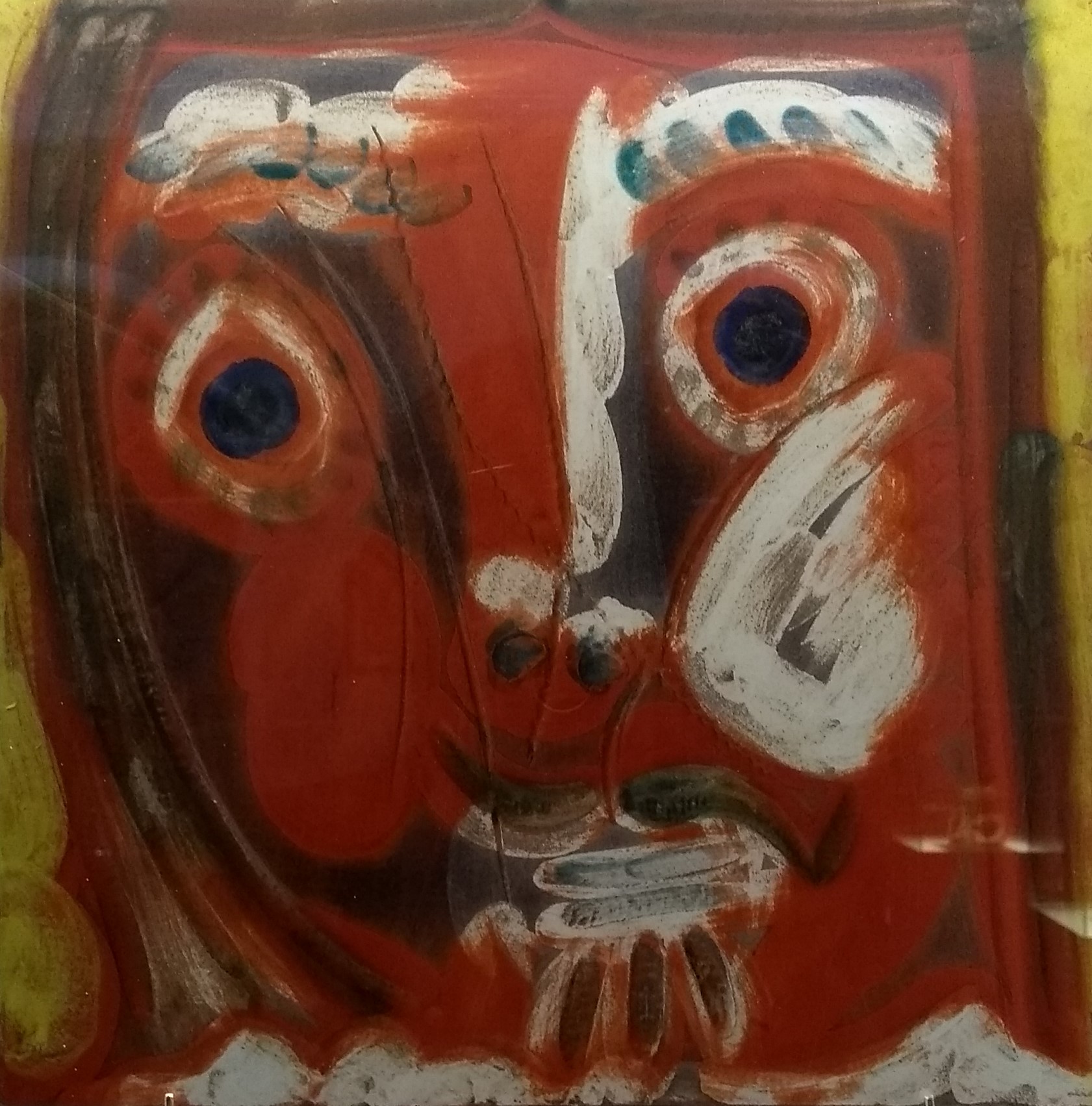
Image: Ceramic tile by Pablo Picasso in museum in Port de Sóller Railway Station, Mallorca.



 Realize Engineering