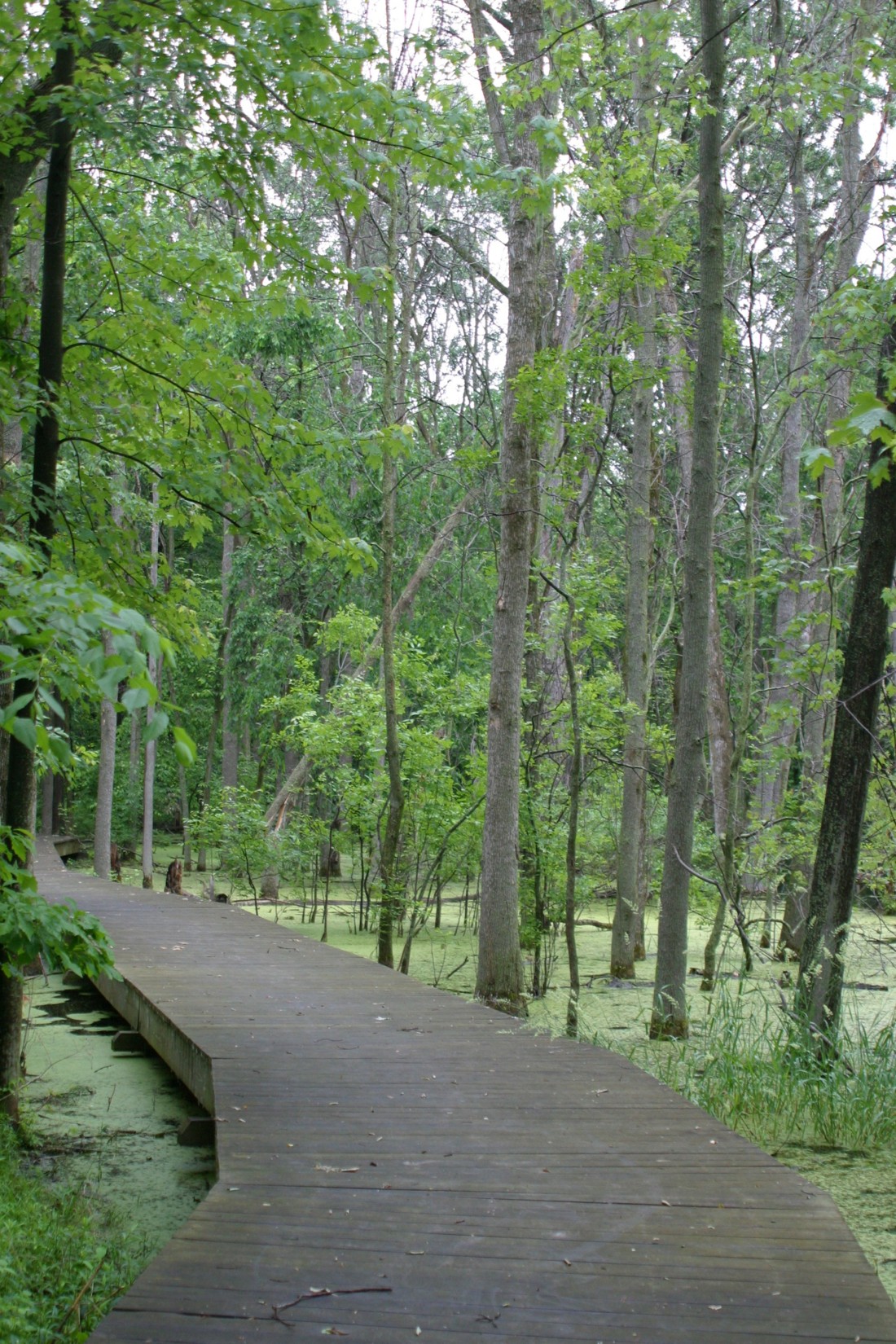
 ‘70,000 trees needed to print graduation papers’. This was a headline that I spotted in the China Daily (Thursday 24th April, 2014) while I was travelling in China last moth. The article reported that the trees would be cut down to provide the graduation papers for this year’s 7.27 million university graduates in China. Superficially, these are very large numbers, both of trees and graduates. However, China has a population of 1.38 billion, which is almost 20% of the global population, so the annual graduation rate is only about 0.5% of the population compared to about 1% in England. There are concerns in China that there are insufficient graduate-level jobs for all of the students graduating this year, which is a familiar situation in the UK. The idea of following the Finnish approach to higher education, with more universities of applied sciences than multi-disciplinary universities, is gaining ground in China. In the UK, EngineeringUK has estimated the number of engineering graduates needs to double by 2020 in order to sustain our engineering industry whose turnover was £1.1 trillion in 2011-12, or 24.5% of UK turnover. The shortage of engineering graduates is reflected in average starting salaries that are 20% higher than for all graduate.
Back to those 70,000 trees; they would absorb between 2 and 20 kg of carbon dioxide per tree per year if they were not felled for the graduation papers. Carbon dioxide sequestration by trees depends on their size, age and species, see for example the sources below. The CO2 emissions in China are currently about 7 tonnes per capita, which is about the same as the UK and about 40% of the per capita emissions in the USA, according to the EDGAR or the World Bank, so that means that 70,000 trees might balance the emissions of between 20 and 200 graduates, i.e not many of the 7.27 million!
Sources:
http://www.forestry.gov.uk/pdf/6_planting_more_trees.pdf/$FILE/6_planting_more_trees.pdf
http://www.nature.com/news/carbon-sequestration-managing-forests-in-uncertain-times-1.14687


 Realize Engineering