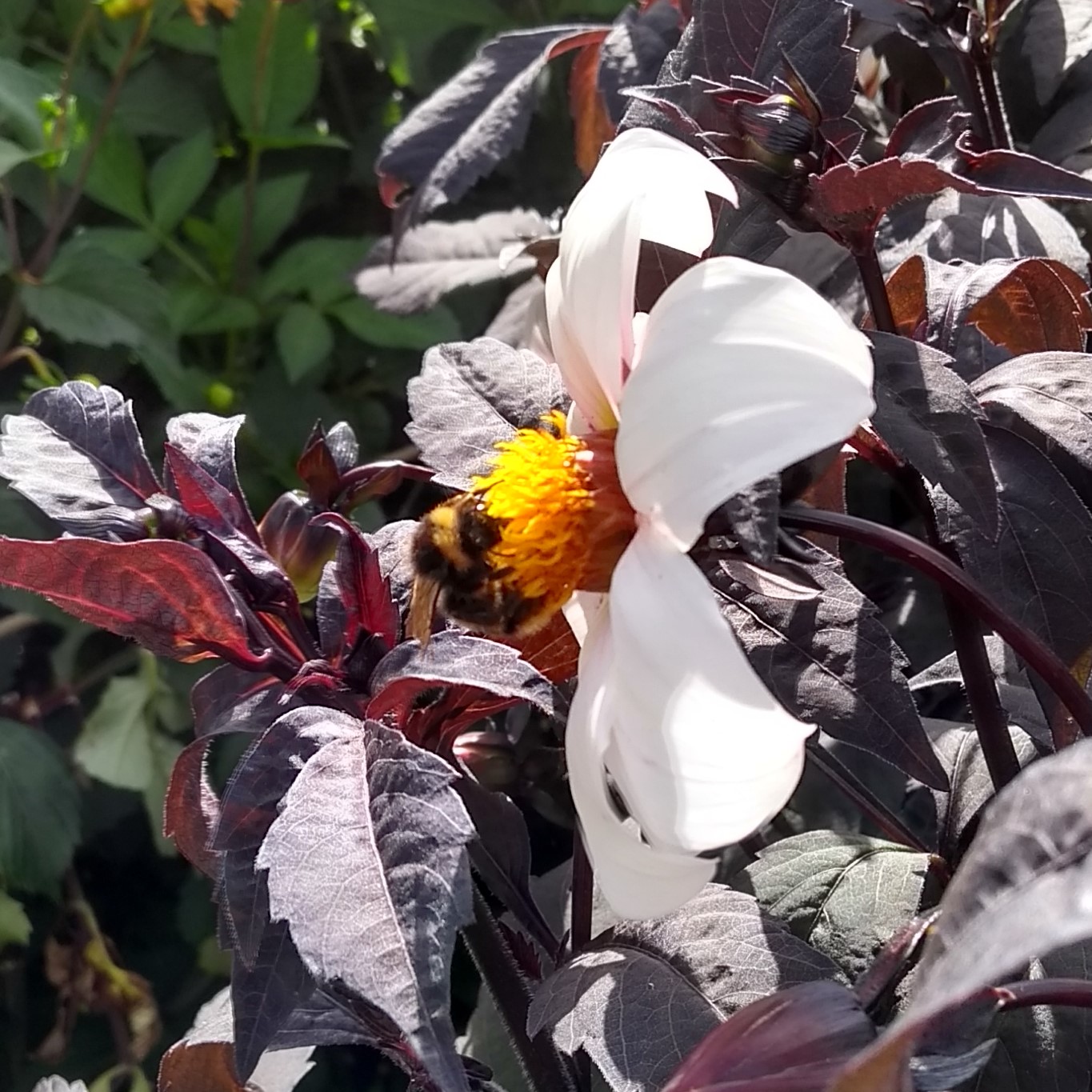
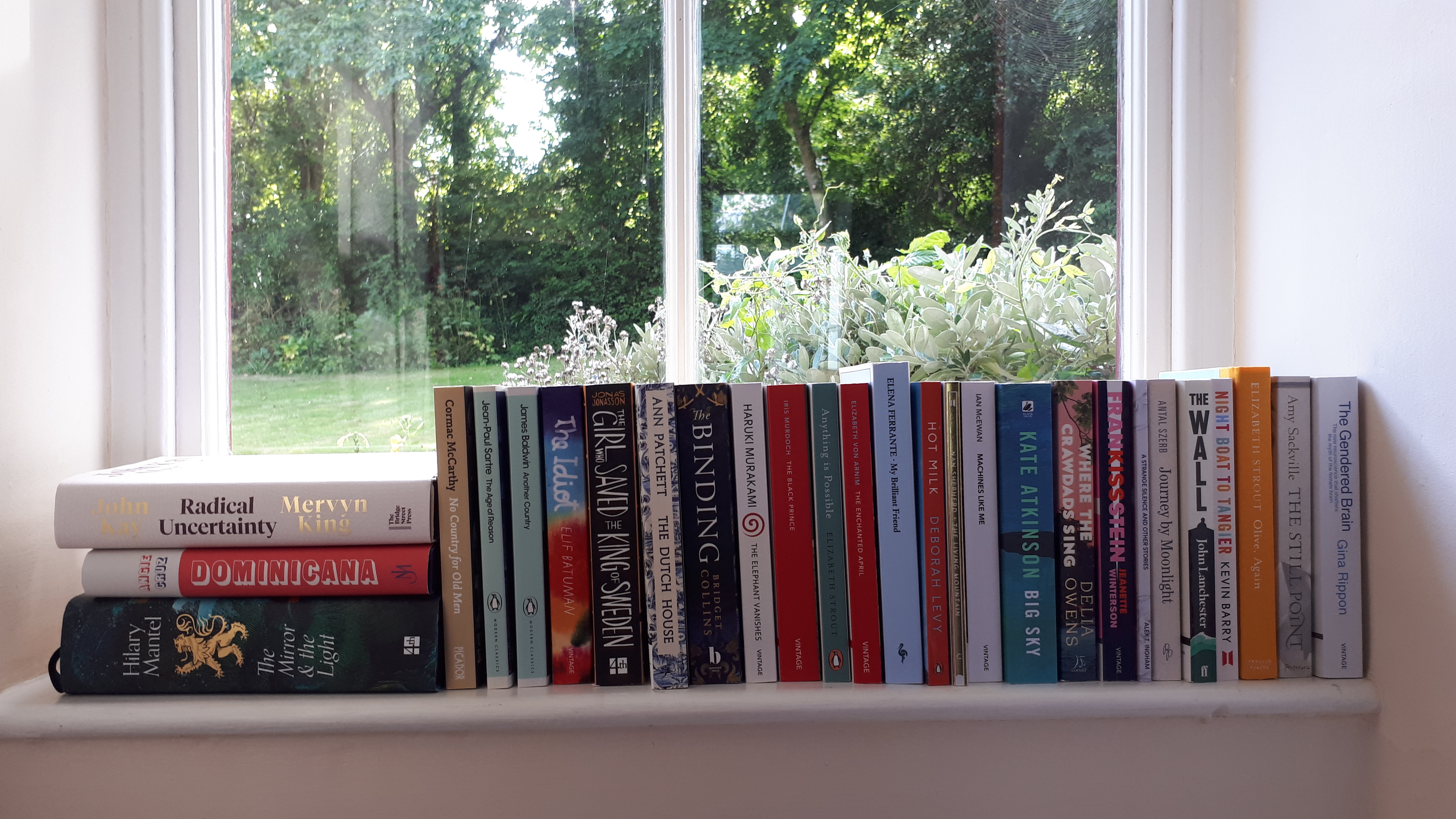
 Anthropomorphism featured in several of the books that I read during my recent digital detox [see ‘Entropy and junkies‘ on August 2nd, 2023]. I really liked the opening section of ‘When I Sing, Mountains Dance‘ by Irene Sola which is narrated from the perspective of clouds that arrive over a landscape with painfully full ‘black bellies, burdened with cold, dark water, lightening bolts, thunderclaps.’ Her poetic prose, beautifully translated from the Catalan by Mara Faye Lethem, is wonderfully evocative and explores the complex relationship between people and the land they inhabit. I was less impressed with a fig tree as a narrator in Elif Shafak’s novel ‘The Island of Missing Trees‘. There was too much emphasis on facts about trees and their relationship to the fauna and flora around them which are well-described in recent non-fiction books [see, for example, ‘Tree are amongst the slowest moving being with which we share our world‘ on October 16th, 2019 and ‘The rest of the planat has been waiting patiently for us to figure it out‘ on September 21st, 2022]. However, I did enjoy the bee’s eye perspective on being trapped in a room when someone closed the window through which the bee had flown to find out what was happening inside. At the moment, I am reading ‘Klara and the Sun‘ by Kazou Ishiguro, which is told from the perspective of Klara, an Artificial Friend or AF, and is in a similar vein to ‘Frankisstein‘ by Jeanette Winterson and ‘Machines like Me‘ by Ian McEwan [see ‘Where is AI on the hype curve?‘ on August 12th, 2020].
 Realize Engineering