Tag Archives: slowness

Gone walking

Background and lock-screen pictures have become a feature of modern life.  Your computer and mobile device were probably delivered with some pre-loaded scenes from nature and some of us personalize our devices by up-loading photographs taken on holiday or a recent excursion into the countryside.  Perhaps, we do this intuitively, because recent research has shown that immersion in nature, even at the superficial level of viewing a picture can improve brain function.  Brisk walking stimulates the production of new neurons and, when you do it in an environment enriched with natural stimuli, the connectivity and stability of connectivity between neurons is increased.  For those us whose biological systems are in terminal decline, the opportunity to retard this decline by walking in the wild is too good to miss.  I have gone to the English Lake District to produce and connect some more neurons.  I’ll be back next week – feeling hopefully creative and empowered, as well as, probably rather damp but what else can be expected from northern England in April!

For those of you who want to immerse themselves vicariously in the damp natural environment of England in the rain could read ‘Rain: Four Walks in English Weather‘ by Melissa Harrison.

Sources:

Susan Greenfield, A Day in the Life of the Brain, London: Allen Lane, 2016.

Atchley RA, Strayer DL & Atchley, Creativity in the wild: improving creative reasoning through immersion in natural settings, PloS One, 7:e51474, 2012.

Yao S et al, Physical exercise-induced adult neurogenesis: a good strategy to prevent cognitive decline in neurodegenerative diseases? Biomedical Research Intl., 2014, 403120.

Olson KA et al, Environmental enrichment and voluntary exercise massively increase neurogenesis in the adult hippocampus via dissociable pathways, Hippocampus, 16:250-260, 2006.

Digital detox with a deep vacation

beachIt’s official – half of us are addicted to our internet-connected devices and a third of us have attempted to kick the addiction.  A recent study by the UK’s communication regulator, OFCOM found that 59% of internet users considered themselves ‘hooked’ and spending the equivalent of more than a day a week on-line.   They also reported that one in three internet users have attempted a ‘digital detox’ with a third saying they felt more productive afterwards, while slightly more that a quarter found it liberating and another quarter said they enjoyed life more.  So, switch off all of your devices, take a deep vacation,  do some off-line reading (see my post entitled ‘Reading offline‘ on March 19th, 2014), slow down and breathe your own air (see my post entitled ‘Slow down, breathe your own air‘ on December 23rd, 2015).  Now, you won’t find many blogs advising you to stop reading them!

Health warning: OFCOM also found that 16% of ‘digital detoxers’ experienced FOMO (Fear Of Missing Out’ (‘FOMO’), 15% felt lost and 14% ‘cut-off’.

Steadiness and placidity

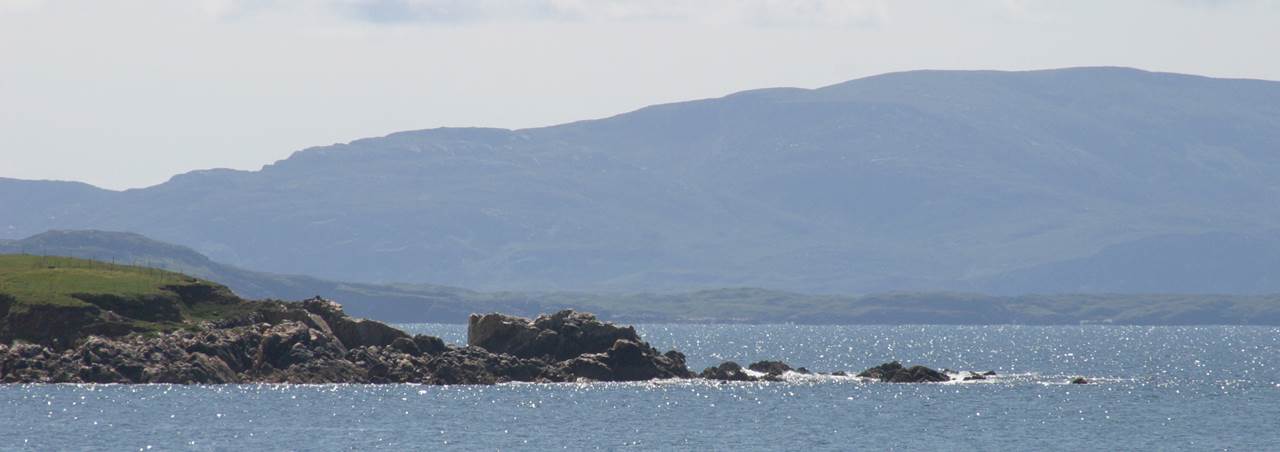
Picture5Writing a weekly blog must be a little like being a newspaper columnist except that I am not part of team of writers and so there is no one to stand in for me when I go away.  Instead I have to get a few weeks ahead before I go away. So I will be on vacation when you read this post and I hope that I will have achieved a certain level of ‘steadiness and placidity’ to quote Michael Faraday.  Faraday used to escape to Hastings, on the south coast of England, for breaks away from the hustle and bustle of London.  He would take walks [see my post on August 26th, 2015 entitled ‘Take a walk on the wild side‘] and spend time on the seashore [see my post on May 4th, 2016 entitled ‘Horizon Therapy‘] to achieve ‘a kind of mental detachment, an ability to separate himself from things as they are and accept the given – certainties and uncertainties’ [from his biography by James Hamilton], which he described as ‘steadiness and placidity’.

Source:

Hamilton, J., A life of discovery: Michael Faraday, giant of the scientific revolution. New York: Random House, 2002.


Horizon therapy

A couWP_20160401_003ple of weeks ago I discovered a new expression: ‘horizon therapy’.  I came across it in an exhibition at the British Museum in London.  I had spent two days at a symposium on inclusivity in engineering education and when it finished, I sauntered into the British Museum for a bit of mind-wandering [see my post entitled ‘Mind-wandering‘ on September 3rd, 2014]  because the museum had late-night opening and I had a couple of hours before my evening train home.  I wandered into an exhibition called ‘Living and Dying’ that contained an installation called ‘Cradle to Grave‘ by Pharmacopoeia and funded by the Wellcome Trust.

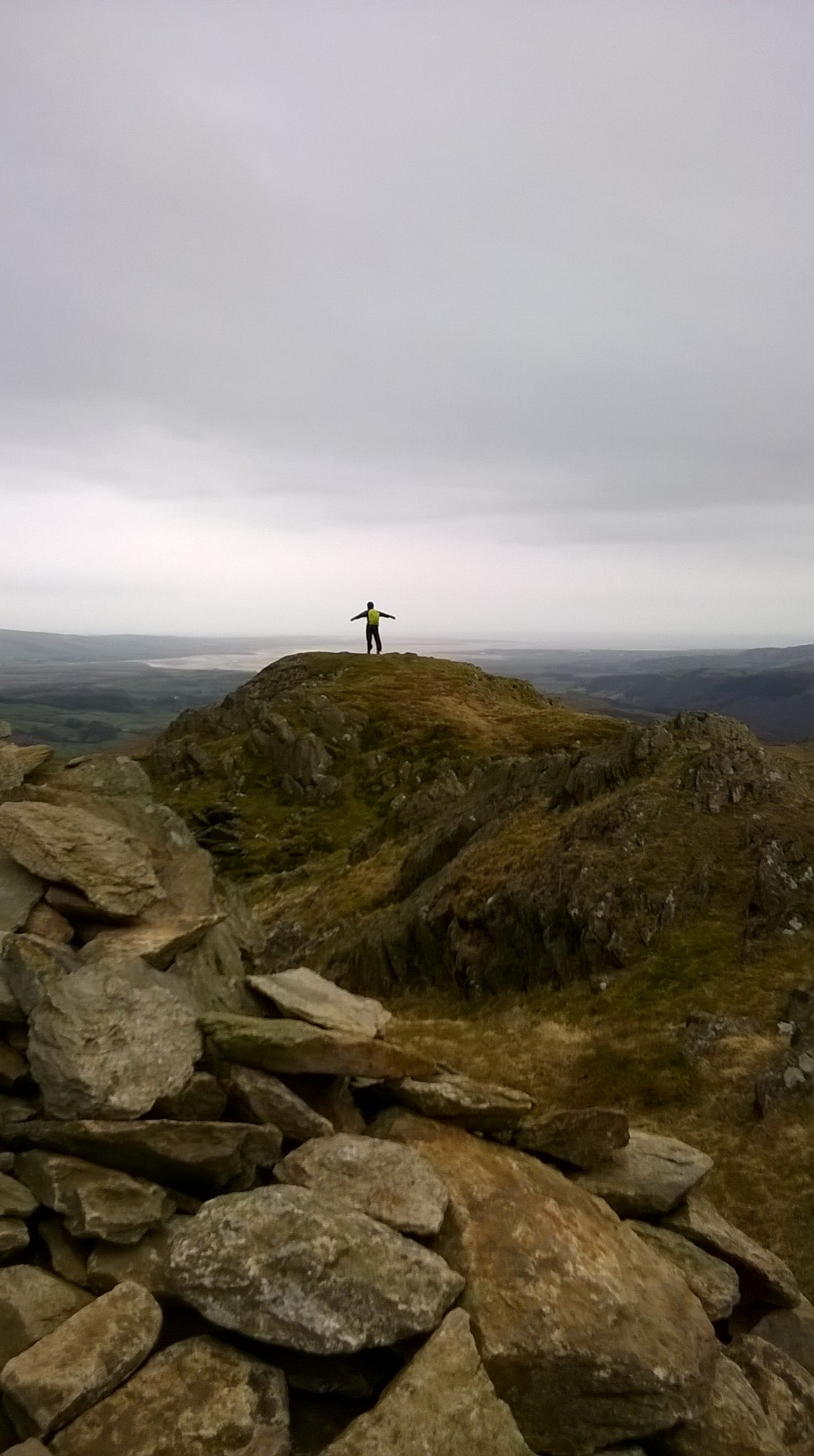
No explanation was given for the term ‘horizon therapy’ that appeared under a snap-shot of a man admiring a sea-view.  However, I assumed it meant achieving that feeling of well-being that derives from looking at a distant horizon with a ‘big’ sky above it.  It induces a sense of oneness with the world and a sense of calm associated with the wide-open space.  I find it can happen at sea, on the beach, in the mountains or on the open plains.  I suspect that it’s part of the reason so many city-dwellers head out to these places at every opportunity.  We did during the Easter break and the photo shows one of my daughters soaking up ‘horizon therapy’ on the top of Stickle Pike in the English Lake District.

So, next time you are feeling hemmed in by the problems and pressures around you, seek out some horizon therapy; even if there is only time to climb to the top floor of the nearest tall building and soak up the view.

BTW the exhibition has induced other reactions, see for example:

http://www.theguardian.com/artanddesign/jonathanjonesblog/2009/jul/24/medicine-cabinet-british-museum

https://herenowhealing.com/truth-beauty/files/cradle-to-grave-british-museum.html

https://humanitiesandhealth.wordpress.com/2011/04/18/pharmacopoiea-or-how-many-pills-do-we-take-in-a-lifetime-a-wellcome-trust-exhibition-at-the-british-museum/