 About four years ago I wrote about living in bubbles and rarely coming into contact with people outside of our bubble [see ‘You’re all weird‘ on February 8th, 2017]. This was in the context of our experience of the media and our surprise when electorates make apparently irrational decisions. Since early this year we have been encouraged to live in more literal bubbles in order to slow down the spread of COVID-19; so, for example, we have created bubbles of researchers using our research labs in shifts to avoid a total shutdown of research when someone tests positive for coronavirus. For many people, the pandemic has isolated them in a bubble of one that has created concerns about the well-being and happiness of individuals living and working alone. When asked about the place he is happiest, the artist Ai Weiwei responded ‘Every place is equal for me. Even in detention I could still find joyful moments’. He finds ways to connect to other people and their emotions by reflecting on who he is, which leads to moments of joy. He believes that success in life is about finding yourself in way that ‘doesn’t need ambition or talent. It just needs a functioning mind, emotion and simple judgment.’ During lockdowns induced by the COVID-19 pandemic, I believe that it has become more important to maintain the life of mind through reading and discovering new ideas. As Jarvis Cocker said in a recent interview: ‘I don’t want to spend the rest of my life thinking the same thoughts and feeling the same things, rechewing the same thing. I find that really boring.’ I hope that these posts have brought you new ideas and ways of thinking during 2020; writing them has certainly kept my mind active and stimulated. So, I plan to continue in 2021 and hope that you will continue to read them. Best wishes for a happy New Year!
Sources:
Inventory: Ai Weiwei, Artist interviewed by Lilah Raptopoulos in the FT Magazine, October 31/November 1, 2020.
Evolve or fade away, Jarvis Cocker interviewed by Ludovic Hunter-Tilney in the FT Weekend, 14 November/15 November 2020.
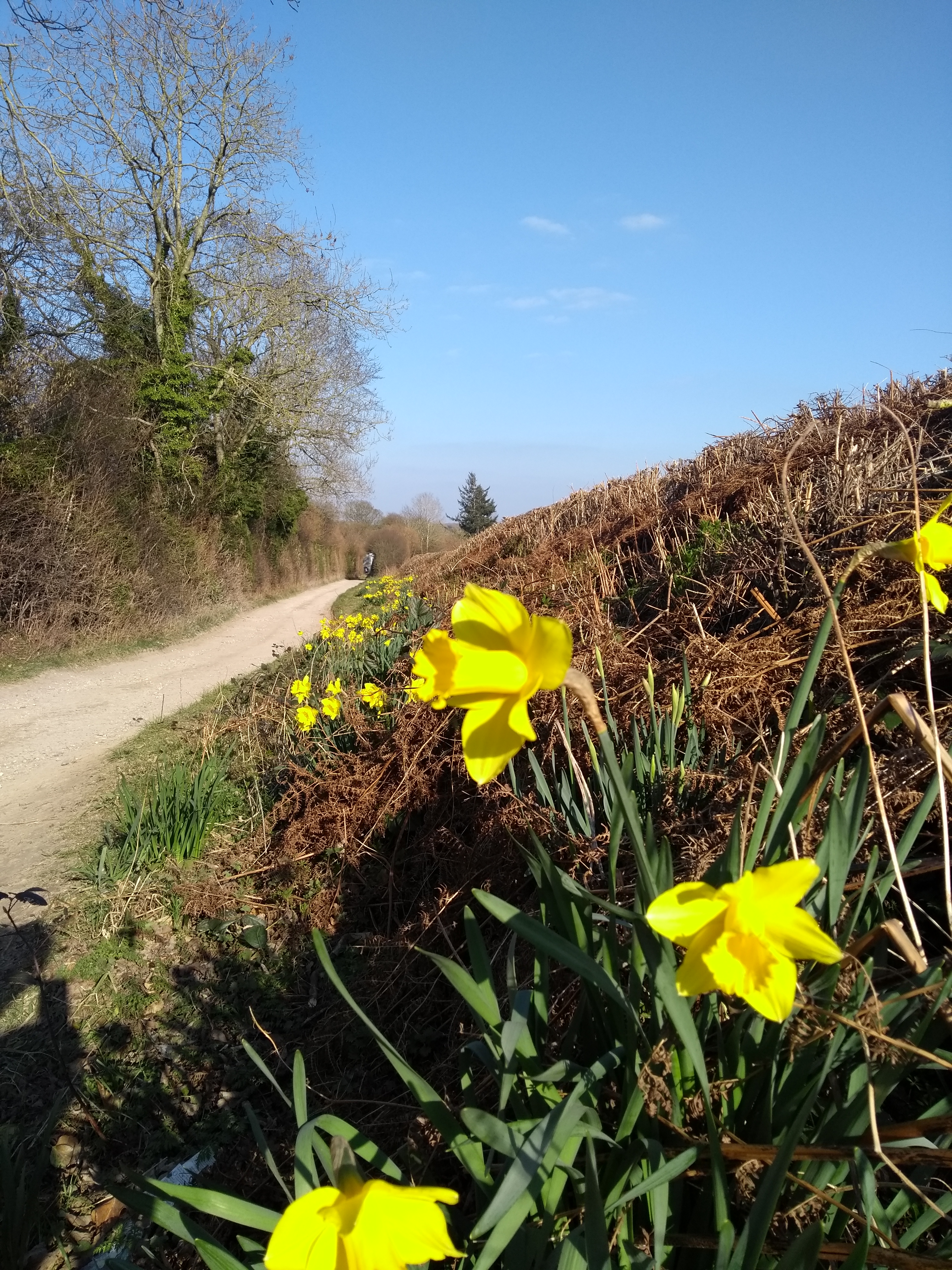 A regular reader of this blog commented last week on the enjoyment she gained during the pandemic from their daily walk around a local lake which reminded me about a recent experience on one of our regular weekend hikes around Moel Famau, which have been real rather than virtual for some months now [see ‘Virtual ascent of Moel Famau‘ on April 8th, 2020]. It was an unseasonally warm day and there was a strong scent from the daffodils in the broad verge next to the farm track that we were walking down. The impact of the scent on my sense of well-being was almost like a form of synaesthesia [see ‘Engineering synaesthesia‘ on September 21st, 2016]. I am on vacation this week, hoping to slow down [see ‘Slow down, breathe your own air‘ on December 23rd 2015], climb some hills and feed my consciousness some different sensory experiences [see ‘Feed your consciousness with sensory experiences‘ on May 22nd 2019].
 Realize Engineering