We can’t build perfect engines and even if we could they would not be 100% efficient. A heat engine generates power [or does work] by absorbing heat from a source into a working fluid, often water,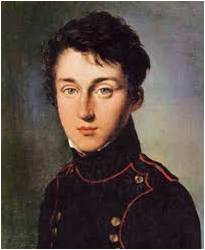 using the hot fluid to create motion, e.g. via a turbine, then discharging waste heat to a heat sink before pumping the fluid back to the heat source. This is the operating cycle of most power stations. The heat source might be a fossil fuel furnace, a nuclear reactor or a solar concentrator; and the heat sink is often the environment.
A Frenchman, Nicolas Leonard Sadi Carnot [1796-1832], deduced that the best efficiency achievable by a heat engine was given by one minus the ratio of the temperatures [in Kelvin] of its heat sink to heat source.
A perfect heat engine operating with a heat source at about 350°C [623K] and a heat sink at 20°C [293K] would have a Carnot efficiency of about 45%. We can only hope to increase this efficiency by finding a naturally occurring very cold heat sink or by increasing the temperature of the heat source, which is why we are interested in strain measurement in very hot components (see post on ‘hot stuff’) – we don’t want our super-efficient engines to break!
 Realize Engineering