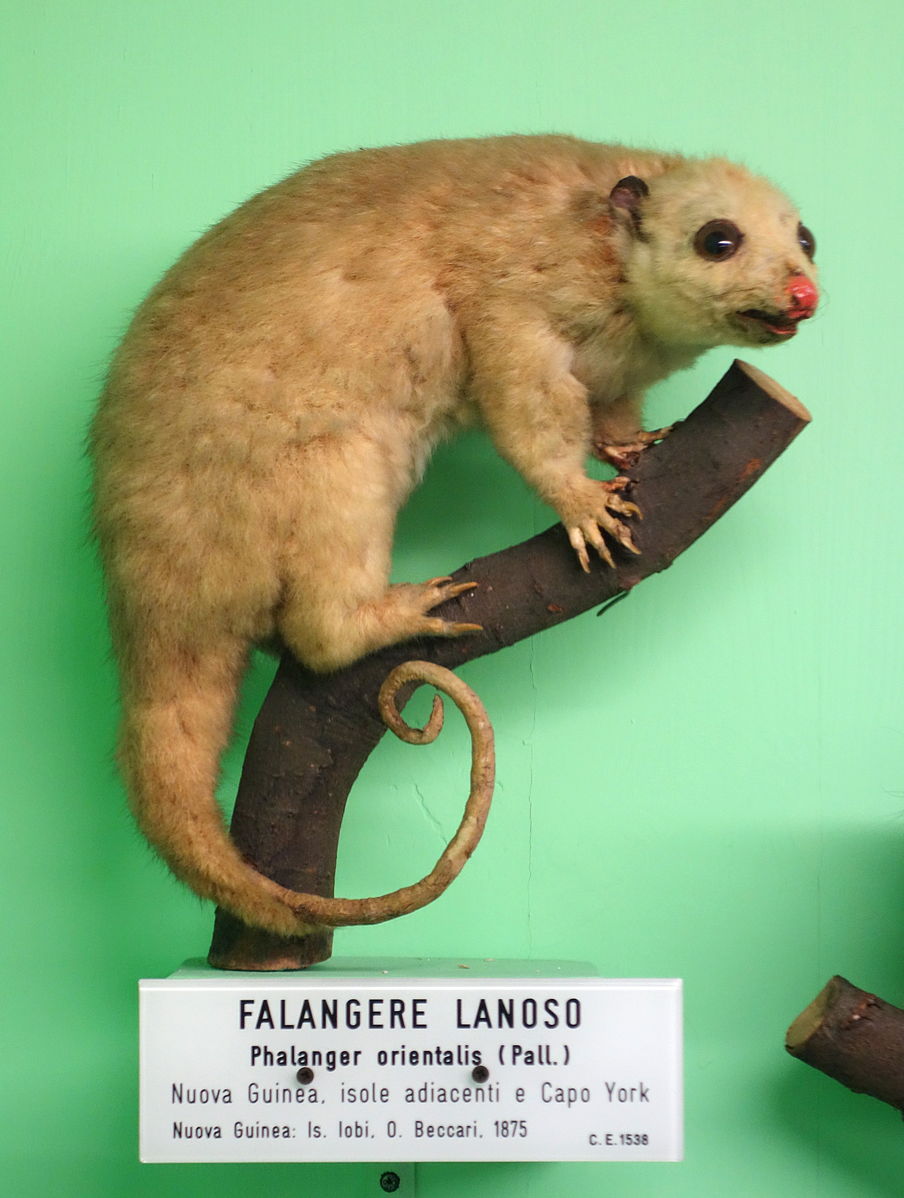
 Humans have been ecosystem engineers since the Pleistocene, more than 12,000 years ago. There is evidence of a tree-dwelling possum, the common cuscus, being introduced to the Solomon Islands from New Guinea more than 20,000 years ago as a game species [1]. The ecosystem is a complex system and there are unintended consequences of our engineering. For instance, the burning forests and grasslands about 8,000 years ago changed reflectivity and absorption of heat in parts of Eurasia which altered the pattern of monsoons in India and parts of South East Asia. The palaeobiologist, Thomas Halliday has suggested that we are such effective ecosystem engineers that is impossible to think about a pristine Earth unaffected by human biology and culture [2]. The challenge now is to re-engineer the ecosystem so that it remains habitable. This involves handling the complexities of the ecosystem, human society and their interactions. The philosopher, Nabil Ahmed has written, in the context of his native Bangladesh, that it is impossible to differentiate between land and rivers, human population, grains and forests, politics and markets because they all coalesce as a single entity resulting from the legacy of interaction between politics and natural actors [3]. Everything is interconnected – more than we realise.
References
[1] Abate RS & Kronk EA, Climate change and indigenous peoples: the search for legal remedies Cheltenham UK: Edward Elgar, 2012.
[2] Halliday T, Otherlands: A world in the making, London: Allen Lane, 2022.
[3] Ahmed N, Entangled Earth, Third Text, 27:44-53, 2013.
Image: Exhibit in the Museo Civico di Storia Naturale di Genova, Via Brigata Liguria, 9, 16121, Genoa, Italy; by Daderot, CCO 1.0 licence


 Realize Engineering
