
Pitt Rivers Museum, Oxford
“The list of things that I believe is, if not infinite, virtually endless. And I am finite. Though I can readily imagine what I would have to do to obtain evidence that would support anyone of my beliefs, I cannot imagine being able to do this for all of my beliefs. I believe too much, there is too much relevant evidence (much of it available only after extensive, specialized training); intellect is too small and life is too short.”
These words are a direct quote from the opening paragraph of an article by John Hardwig published in the Journal of Philosophy in 1985. He goes on to argue that we can have good reasons for believing something if we have good reasons for believing that others have good reasons to believe it. So, it is reasonable for a layperson to believe something that an expert also believes and that it is even rational to refuse to think for ourselves in these circumstances. Because life is too short and there are too many other things to think about.
This implies a high level of trust in the expert as well as a concept of knowledge that is known by the community. Someone somewhere has the evidence to support the knowledge. For instance, as a professor, I am trusted by my students to provide them with knowledge for which I have the supporting evidence or I believe someone else has the evidence. This trust is reinforced to a very small extent by replicating the evidence in practical classes.
More than 30 years ago, John Hardwig concluded his article by worrying about the extent to which wisdom is based on trust and the threat to “individual autonomy and responsibility, equality and democracy” posed by our dependence on others for knowledge. Today, the internet has given us access to, if not infinite, virtually endless information. Unfortunately, much of the information available is inaccurate, incomplete and biased, sometimes due to self-interest. Our problem is sifting the facts from the fabrications; and identifying who are experts and can be trusted as sources of knowledge. This appears to be leading to a crisis of trust in both experts and what constitutes the body of knowledge known by the community, which is threatening our democracies and undermining equality.
Source:
Hardwig J, Epistemic dependence, J. Philosophy, 82(7):335-349, 1985.
 One impact of publishing a monthly post instead of the weekly one I used to produce [see ‘600th post and time for a change‘, on January 3rd 2024], is that I often starting writing without any memory of the recent posts. So, I have only just noticed that, ignoring the posts on technical topics, all my posts this year have been on the theme of what it means to be an individual [see ‘Is the autonomous individual ceasing to exist?’ on January 1st, ‘Its all in the mind’ on March 5th, and ‘Are we individuals?’ on April 2nd]. You might be led to believe that I am having a crisis of identity but you would be wrong. I think that this common theme arose subconsciously as result of the technological and political events that are reshaping society at the moment. We appear to be losing the capacity to recognise others as beings like ourselves, which is the basis of freedom and democracy. Without it we treat others as objects rather than individuals leading towards tyranny and the dissolution of trust and truth.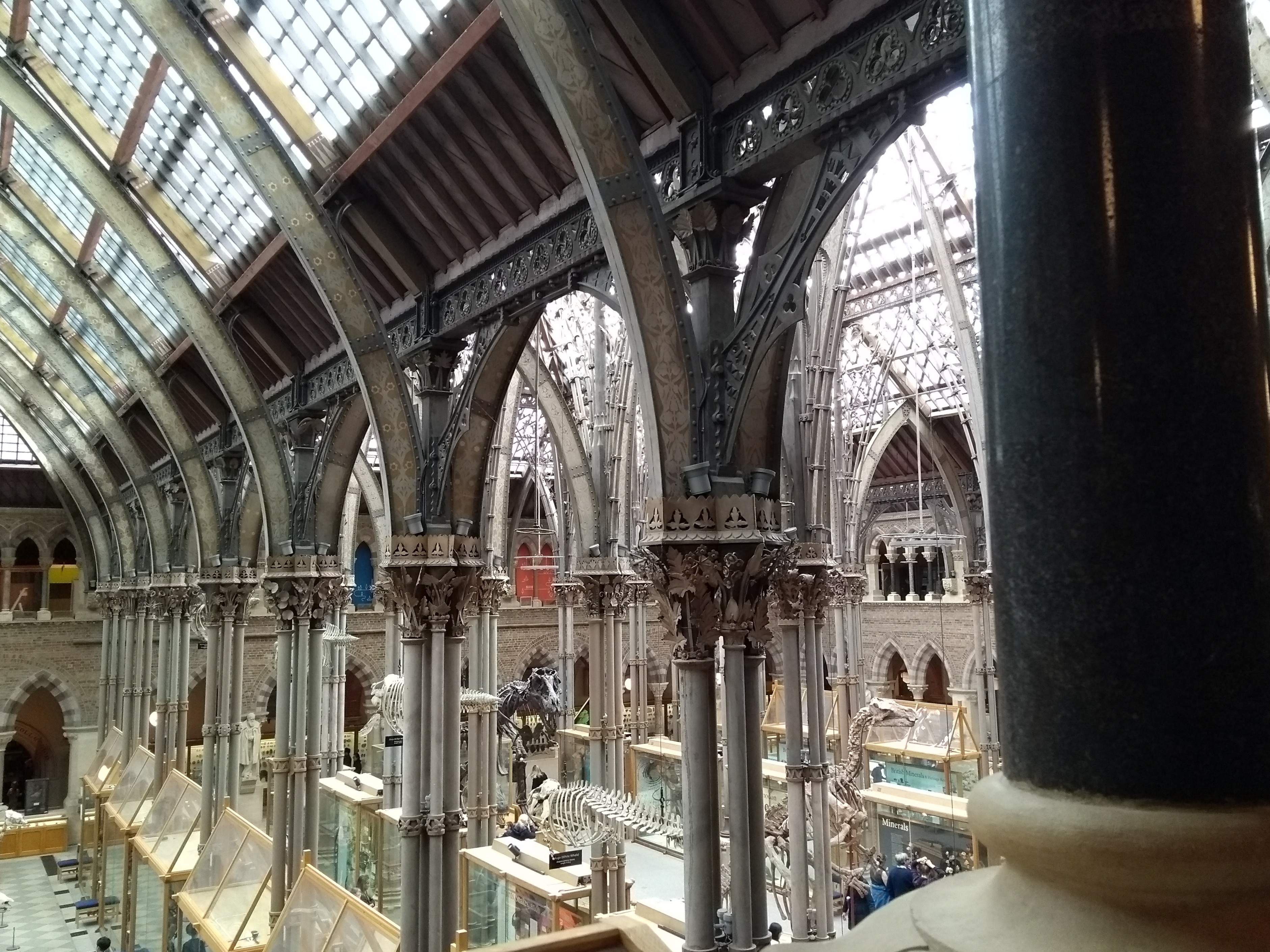
 Realize Engineering