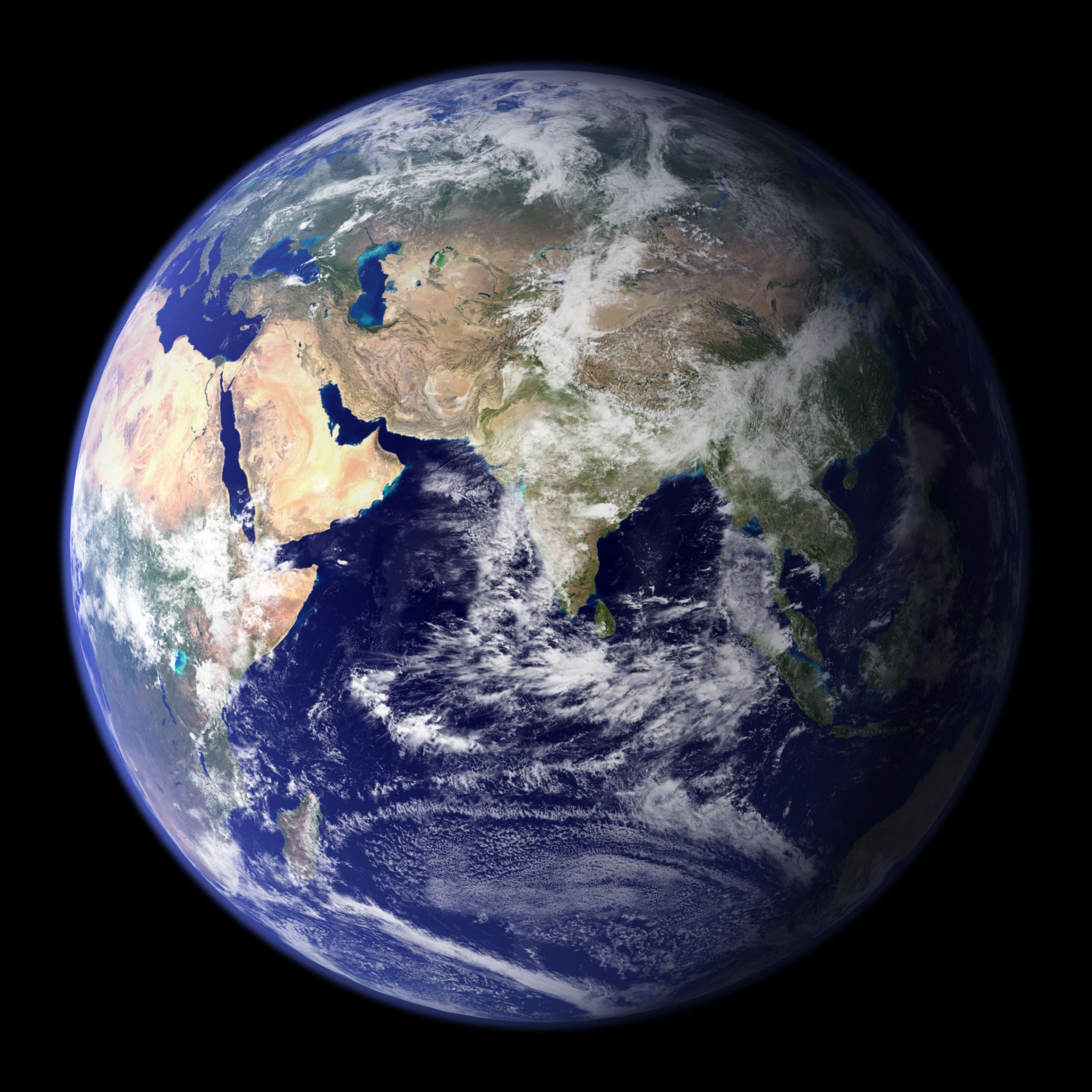
 Recently I have been writing a research proposal with two collaborators who live in two different time zones which has made arranging on-line meetings challenging. There was a brief period last month when the USA had shifted to summer time or daylight saving time a couple of weeks ahead of the UK which made life even more complicated. Our time zones are based on the sun crossing the local meridian at noon, or in summer moving an hour of daylight from the morning to the evening (a meridian is a great circle joining the celestial poles). Actually, our whole time system is heliocentric with one day being the period of time between instants when the sun passes over the local meridian and an Earth year being the period of orbit of the Earth around the sun. A galactic year is the time period the sun takes to orbit the black hole at the centre of our galaxy, the Milky Way, which is 230 million Earth years. On this basis, the Earth is only about 20 years old, that’s galactic years and based on current estimates of the age of the Earth as 4.5 billion Earth years. In Swahili culture, time has two dimensions, Sasa and Zamini. Zamini might be measured in galactic years because it refers to the far and immeasurable past whereas Sasa describes the present and recent past. Sasa is about the period that people can remember so when someone dies they remain in Sasa until the last person who can remember them also dies and then they move to Zamini. Just as the Western concept of time is experienced differently by individuals [see ‘We inhabit time as fish live in water‘ on July 24th, 2019 and ‘Slowing down to think (about strain energy)‘ on March 8th, 2017], so are Sasa and Zamini since in my perception my paternal grandmother is in Sasa time but for my children, who never met her, she is in Zamini time.
Sources:
Thomas Halliday, Otherlands: A world in the making, London: Allen Lane, 2022.
Enuma Okoro, Ways of seeing, ways of knowing, FT Weekend, Saturday 11 March/Sunday 12 March 2023.


 Realize Engineering