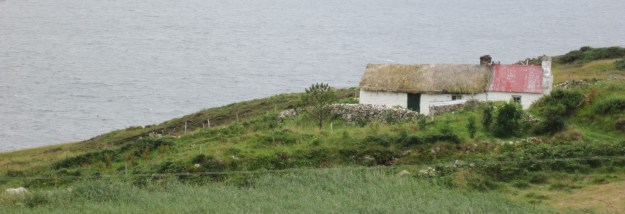
Photo credit: Tom
Most of us have returned from vacation by now but I wonder how refreshed you are feeling. Was you vacation like the character in the cartoon published recently in the New York Times (INYT Friday, August 8th, 2014), i.e. still connected to the grid? Or did you follow my advice in the posts entitled ‘Gadget stress‘ (April 9th, 2014) and ‘Reading offline‘ (March 19th, 2014) by engrossing yourself in reading a few good books with all gadgets switched off. I know some of my colleagues did not because I have received automatic vacation replies to my emails followed by detailed email responses a few hours later or even a minute or two later in one case, often including a reminder that they are on vacation! David Levitin writing in the NYT (on August 9th, 2014) asserts that a ‘vacation isn’t a luxury’ and I agree with him. We went to an undisclosed location with no telephone, no internet and no mobile phone signal and even then we thought that two weeks was not long enough!
David Levitin goes on to say that we should not skimp on daydreaming. He describes how our brains have two modes of operation: central executive mode and mind-wandering mode. We tend to operate in one mode or the other and the switching between them is controlled by the insula, which is located in our brain about 25mm below the top surface of your skull. Tasks requiring focussed attention, such as learning and problem-solving are performed in central executive mode while day-dreaming and surfing from one idea to another is undertaking in mind-wandering mode. Scientists believe that switching too frequently between the modes makes you feel tired. Central executive mode functions better without distractions and in sustained periods spent on single tasks as recommended in my post entitled ‘Silence is golden‘ [January 14, 2014]. Creativity tends arise from mind-wandering, which can be stimulated by listening to music or taking a walk in nature [see my post entitled ‘The Charismatic Engineer‘ on June 4th, 2014], and allowing ideas to shuffle into perspective or the great breakthrough to emerge, apparently miraculously.
So the recipe for intellectual productivity and creativity seems to be to focus on tasks for sustained periods of times, Levitin suggests 30 to 50 minutes with email closed and phones muted. Take short breaks and go for a stroll, eight minutes is sufficient according Stanford researchers, Marily Oppezzo and Dan Schwartz. Set aside specific time to deal with email each day and also time for mind-wandering.
For more, see:
http://www.huffingtonpost.com/tag/working-vacation
http://www.psychologytoday.com/blog/maybe-its-just-me/201408/why-you-might-not-want-hit-the-reset-button-in-your-brain
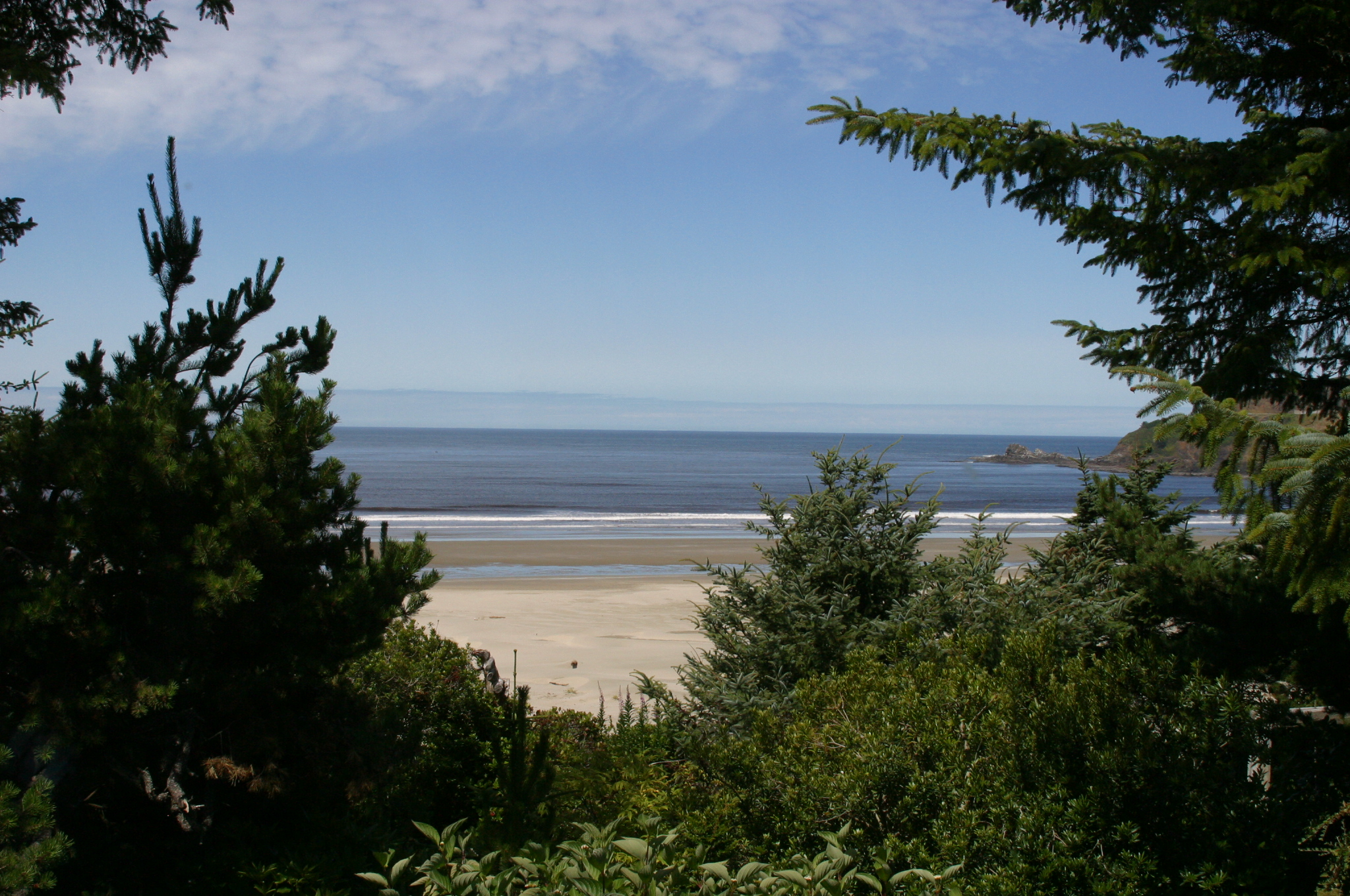
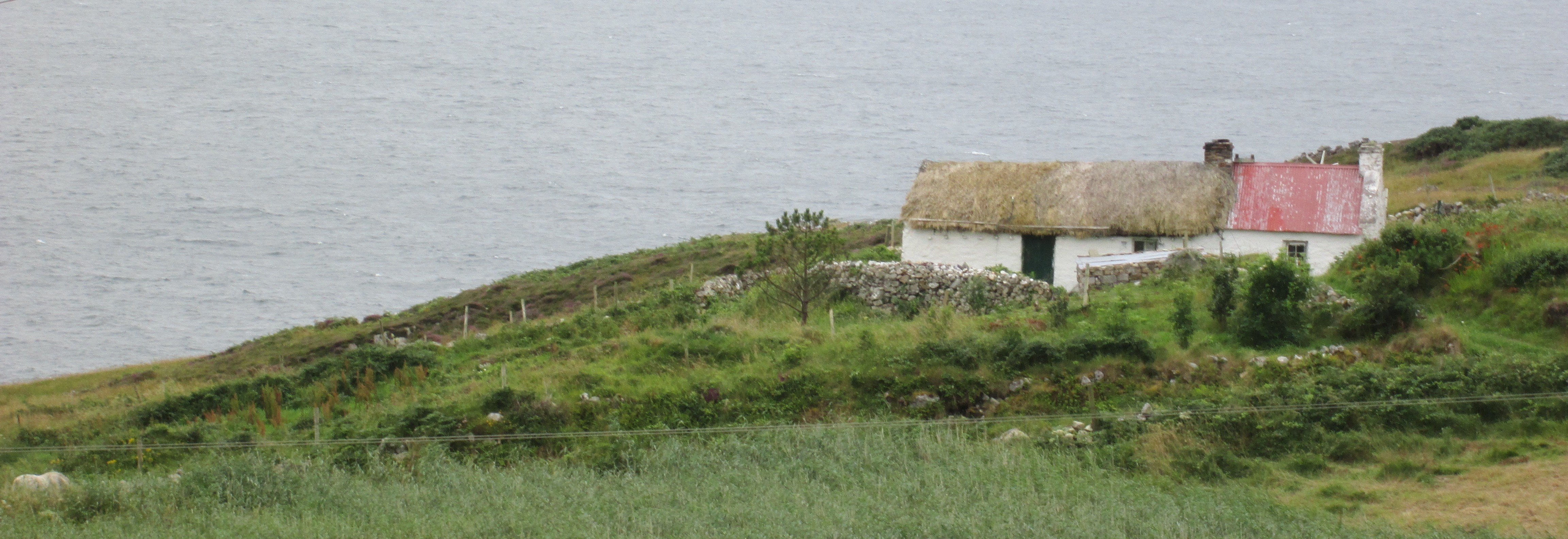
 Sometime ago, when lost in Edinburgh, I came across the line in the title painted on the gable end of a building. It is a line from a poem recited by Bilbo Baggins in The Lord of Rings by JRR Tolkein. At the time, it struck a chord with me because I was lost, though not wandering, but I am an advocate of mind-wandering, which it seemed to characterize nicely [see my post entitled ‘Mind-wandering’ on September 3rd, 2014]. This week I am on leave. I will be wandering the hills, though hopefully not lost, and I am optimistic that this will induce some mind-wandering. If you don’t have the opportunity for a vacation, then at least ‘Slow down, breathe your own air‘ [see my post on December 23rd, 2015].
 Realize Engineering